Fotona Laser Treatments in Encino, CA: Latest Approaches to Skin Renewal
Encino has never been a place where patients ask for dramatic change at any cost. More often, they want skin that looks rested, firmer, cleaner, and more even without announcing that they had something done. That preference has shaped the way many practices approach laser work. The conversation has shifted away from aggressive resurfacing for everyone and toward smarter treatment planning, especially for patients balancing work, family, outdoor exposure, and a social schedule that does not leave much room for prolonged downtime.
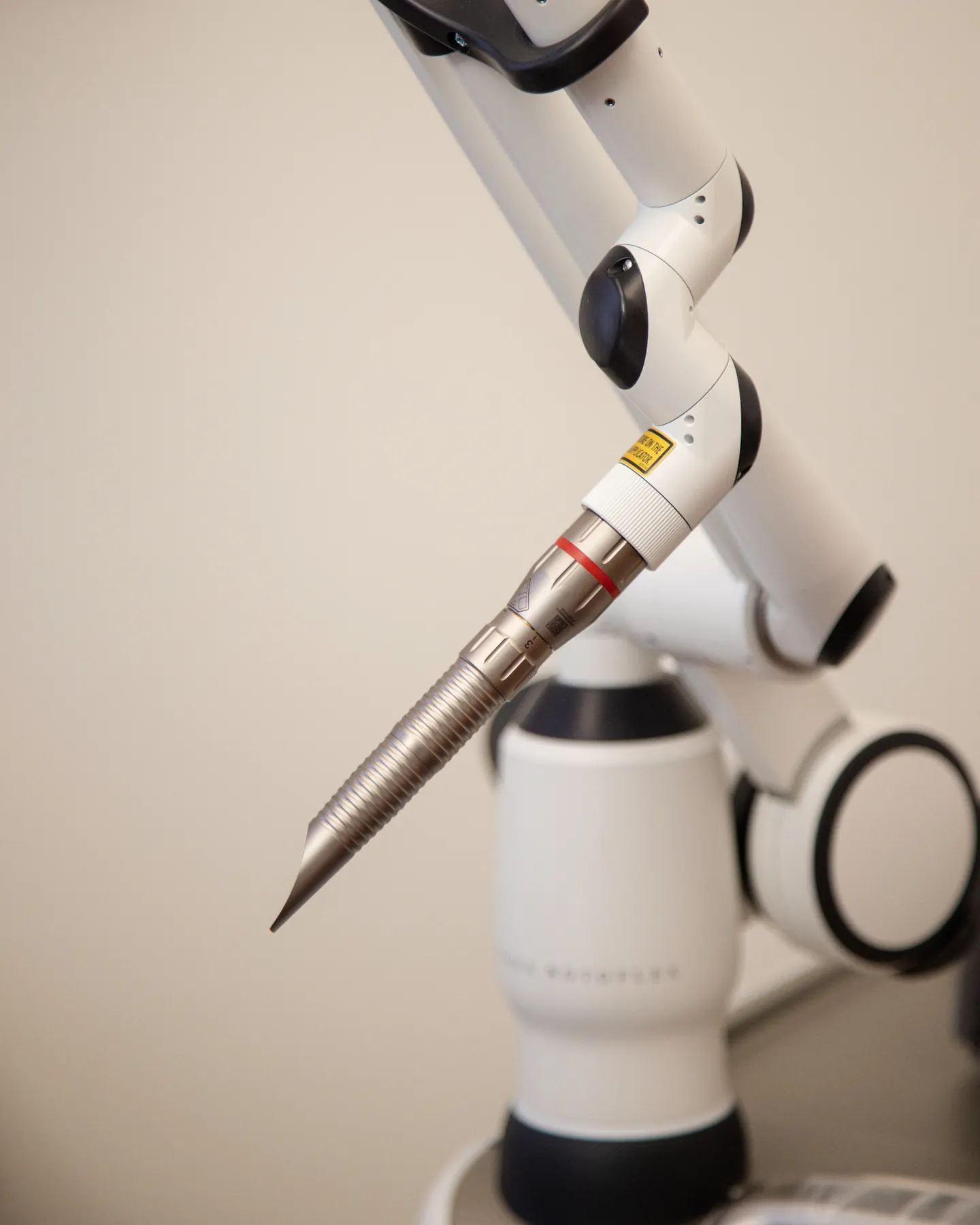
That is part of the reason Fotona systems continue to draw attention. They give experienced providers a broad set of tools for skin renewal, textural refinement, collagen stimulation, vascular concerns, and selective resurfacing. In practical terms, that flexibility matters. Two patients may both say they want “better skin,” yet one is bothered by crepey texture under the eyes while the other is focused on acne scarring or mild laxity around the jawline. A platform that supports different wavelengths and treatment modes allows a clinician to tailor the session rather than force every concern into the same protocol.
For patients looking into Fotona Laser Treatments Encino, CA, the important question is not whether the technology sounds impressive. It is whether the treatment can be matched to the right concern, skin type, and recovery tolerance. That is where the latest approaches are making the biggest difference.
Why Fotona has become a serious option for skin renewal
Fotona is best known for combining erbium:YAG and Nd:YAG laser technologies across various treatment settings. Those names can sound abstract until you connect them to what they do in the treatment room. Erbium:YAG is commonly used when the goal is resurfacing, texture improvement, and more precise removal of superficial skin layers. Nd:YAG is often used for deeper thermal stimulation, vascular work, and collagen remodeling without necessarily removing the skin surface.
The real value is not the machine itself. It is the ability to combine superficial and deeper effects in a deliberate way. In experienced hands, that can mean treating uneven texture while also encouraging firmer support underneath. It can mean addressing redness in one patient and fine lines in another without defaulting to the same intensity for both.
This becomes especially relevant in Southern Fotona Laser Treatments Encino, CA California, where sun exposure is not a seasonal issue. Many Encino patients have years of cumulative UV damage, even if they have been diligent with sunscreen in recent years. They may have mottled pigmentation, rougher texture around the cheeks, enlarged pores near the nose, or fine etched lines around the mouth and eyes. A single concern is rare. More often, several mild to moderate issues show up together, and the best laser plans account for that overlap.
Skin concerns that often respond well
A lot of the interest in Fotona comes from its versatility. That does not mean it is the best answer for every skin issue, but it can be useful across a wide range of concerns when expectations are realistic.
Textural roughness is one of the most satisfying things to treat because patients tend to notice the difference quickly. Makeup sits better. Skin reflects light more evenly. The face looks less tired even if the person cannot point to one dramatic change. Fine lines, especially around the eyes and mouth, may soften with resurfacing and collagen stimulation, though deeper static folds usually need combination treatment and patience.
Acne scars are another common reason people ask about laser treatment. Shallow boxcar scars and generalized textural irregularity often improve with well-planned resurfacing. More bound-down scars can be stubborn and may respond better when laser is paired with other modalities such as subcision, microneedling, or injectable biostimulators. Good providers say this plainly. When someone promises scar-free skin after one session, that is usually a sign to slow down and ask harder questions.
Mild skin laxity also comes up often in consultation. Patients notice that their lower face looks less defined, or that the skin around the mouth and under the chin seems looser than it did a few years ago. Laser-based collagen stimulation can help in selected cases, particularly when laxity is still mild. It will not reproduce the effect of surgery, and patients are better served when that distinction is discussed upfront.
Redness, superficial vessels, and certain benign signs of photodamage may also be part of the conversation, depending on the provider’s treatment approach and the exact Fotona platform in use. This is where customization matters most. Not every red face needs a laser, and not every laser is right for diffuse redness.
What feels newer about current treatment strategies
The phrase “latest approaches” often gets overused, but there has been a real evolution in how good practices use laser devices. The newer thinking is less about turning energy up and more about sequencing, layering, and patient selection.
Years ago, many patients associated skin renewal with a fairly binary choice. Either you did little to nothing, or you signed up for a stronger resurfacing treatment with significant recovery. That is no longer the only path. More practices now build plans around cumulative improvement. They may use lighter passes, staged sessions, or combination protocols that spread benefit across several appointments. For busy professionals in Encino, that can be a better fit than a single aggressive treatment with a long social downtime.
Another meaningful change is the emphasis on preserving function while improving appearance. Around the eye area, for example, the aim is not simply to ablate tissue. It is to improve crepiness and support collagen while respecting the delicacy of the skin and the way the eye area moves and heals. Around the mouth, the strategy may focus on softening etched lines without creating a stark contrast between treated and untreated skin.
There is also more attention now to treating skin quality as a whole. Instead of isolating one wrinkle or one patch of roughness, providers often evaluate how tone, texture, pore size, elasticity, and pigment work together. A patient might come in asking about one deep line, but leave understanding that the face will look more refreshed if the surrounding skin becomes smoother and brighter overall.
The consultation is where the outcome is shaped
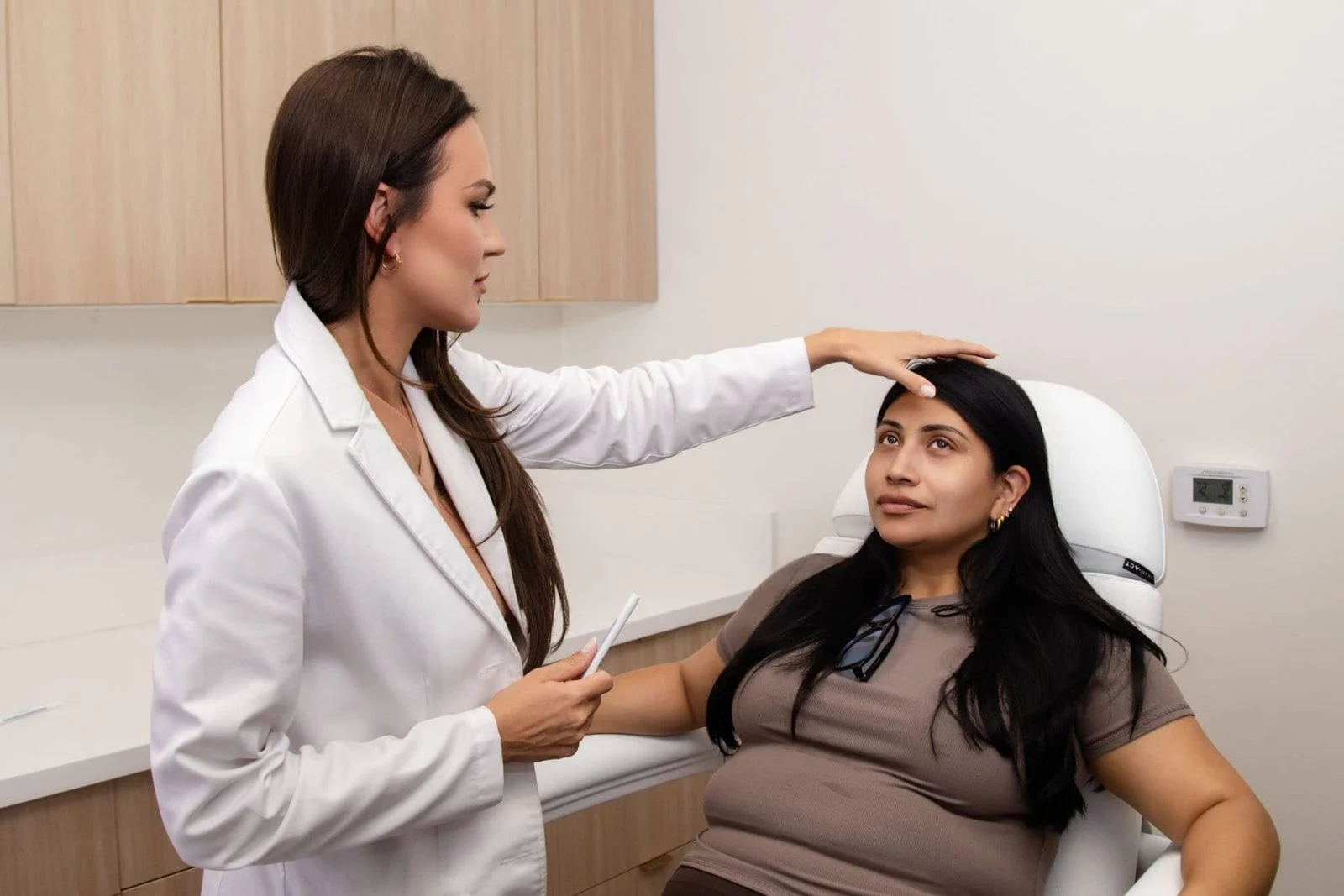
One of the clearest signs of a thoughtful laser practice is how much time is spent before the first pulse is ever delivered. A proper consultation for Fotona Laser Treatments Encino, CA should feel more like planning than sales.
The provider should ask about tanning history, melasma, post-inflammatory hyperpigmentation, previous cosmetic procedures, cold sore history, active acne, isotretinoin use, and how your skin tends to heal after irritation. These details are not minor. They influence settings, timing, pretreatment steps, and whether a laser is the best move at all.
Skin type matters as well. Darker skin tones can absolutely be treated with laser in many cases, but not every protocol carries the same safety profile across all skin tones. This is where broad claims become risky. Safer treatment often comes down to conservative parameter selection, pretreatment skin conditioning when needed, and a provider who understands pigment behavior in real patients rather than textbook diagrams.
A good consultation also translates vague goals into specific targets. “I want younger skin” is not a treatment plan. “I want my under-eye crepiness to look smoother, my pores less obvious, and the texture on my cheeks to look more refined before a fall event” is something a clinician can work with.
What treatment day is actually like
The experience varies depending on whether the session is non-ablative, lightly ablative, or more intensive. This is one reason online reviews can be confusing. Two people may both say they had a Fotona treatment, yet their downtime, discomfort, and result timeline can be completely different.
For lighter treatments, patients usually describe warmth, prickling, or brief snapping sensations. A topical numbing cream may be used, and cooling strategies can help. Redness afterward can resemble a sun-exposed flush, sometimes with mild swelling that settles over a day or two.
For resurfacing sessions that remove more superficial tissue, the immediate after-effect is stronger. Skin may feel hot and tight, then take on a sandpapery or bronzed appearance before it sheds. With more aggressive settings, recovery can involve several days of visible redness and a longer period of pinkness, especially in fair skin. That does not mean the treatment went badly. It simply reflects the intensity and the fact that resurfacing works by creating a controlled injury the skin then repairs.
Patients often want exact recovery timelines, but those are best given as ranges. Someone with resilient skin who follows aftercare carefully may look event-ready sooner than someone who is prone to swelling, irritation, or persistent redness. Seasonal timing matters too. It is generally easier to manage recovery when sun exposure is controlled.
Aftercare affects the result more than many patients realize
Laser treatment is not over when you leave the office. The healing phase is when your skin either settles beautifully or becomes irritated because aftercare was treated casually. This is especially true in a climate where incidental sun exposure happens during school drop-offs, dog walks, and quick errands that do not feel like “being in the sun” until hyperpigmentation shows up later.
The basics sound simple, but they matter:
- Use only the cleanser, moisturizer, and healing products your provider recommends for the first several days.
- Avoid direct sun exposure and wear broad-spectrum sunscreen faithfully once your provider says it is appropriate to resume.
- Do not pick, scrub, exfoliate, or try to speed peeling along.
- Hold off on retinoids, acids, and other active products until the skin barrier is clearly recovered.
- Report unusual swelling, blistering, or prolonged irritation early rather than hoping it fades on its own.
Patients who do well tend to respect the boring parts. They keep the skin calm. They do not experiment with “just one” strong serum because they feel dry or impatient. They let the skin heal.
Who tends to be a good candidate
The strongest candidates are not always the youngest or the most wrinkle-free. They are the people whose goals match what laser can realistically deliver.
- Patients with early to moderate textural aging, mild laxity, or superficial acne scarring often benefit most.
- People who can avoid sun and follow aftercare closely usually heal more predictably.
- Patients willing to do a series, or combine treatments thoughtfully, often get better long-term outcomes than those seeking a one-time fix.
- Individuals with melasma, very recent tanning, or a history of pigment complications may still be candidates, but only with careful planning and conservative expectations.
- Anyone expecting laser to replace a facelift, erase deep folds entirely, or transform severe scarring in one session will need a more grounded discussion.
This is where professional judgment matters. The best laser appointment is sometimes the one a provider advises you not to book yet. If someone arrives with an active tan before a resurfacing treatment, postponing is not a nuisance. It is good medicine.
The trade-offs patients should understand before committing
Every meaningful treatment has trade-offs, and laser work is no exception. For resurfacing, the usual trade-off is stronger improvement in texture and fine lines in exchange for more downtime. For non-ablative collagen stimulation, the trade-off is less recovery but a more gradual result that may require multiple sessions.
Cost is another practical consideration. Patients sometimes compare laser pricing line by line without asking what is actually included. Does the quote cover only the treatment itself, or are follow-ups, numbing, post-care products, and touch-up guidance built in? A cheaper session that does not match the right indication can be more expensive in the long run than a better planned series.
Then there is the question of maintenance. Collagen remodeling is real, but it does not freeze aging. If you love the improvement in tone and texture, you will likely want maintenance treatments at intervals that make Fotona Laser Treatments Encino, CA OMNIA Wellness Center sense for your skin and goals. That is not a downside so much as a reality. The skin continues to age, and sun exposure continues to leave a mark if not controlled.
Encino-specific considerations patients often overlook
Local lifestyle matters more than most people expect. Many patients in Encino split time between indoor work and outdoor activities, often with a lot of driving in between. That means repeated, low-level UV exposure through the windshield, weekend sun, and heat that can worsen redness during recovery.
Scheduling matters. If a patient has a wedding, reunion, filming, professional photos, or holiday event, the safest plan is to build in more buffer time than the minimum quoted online. Skin does not always read the same on camera that it does in bathroom lighting. A little residual pinkness or dryness can be easy to hide in person and more obvious under studio makeup or daylight photography.
There is also a practical reason experienced providers often become conservative before summer or before a patient’s beach-heavy vacation. It is not because treatment stops working in warm weather. It is because healed skin still needs protection, and real life tends to interfere with ideal aftercare when travel, swimming, and long days outside are involved.
Combining Fotona with other treatments
One of the more thoughtful trends in aesthetic medicine is combination planning. Instead of asking one device to do everything, clinicians pair modalities based on what each one does best. Laser may improve surface quality and stimulate collagen, while injectables restore volume loss, and neuromodulators soften motion-driven lines.
This does not mean every patient needs a full menu of procedures. Often the opposite is true. The best plans are selective. A patient with rough texture and early under-eye crepiness may benefit more from laser plus a disciplined skincare routine than from filler. Another patient with etched perioral lines and deeper fold formation may need both resurfacing and structural support to look balanced.
Acne scar treatment is where combination care is especially common. Laser can smooth and blend, but tethered scars often need release first. If a practice discusses laser as one tool rather than the entire answer, that is usually a sign of maturity in treatment planning.
How to evaluate a provider, not just a device
Patients often shop by brand name because device branding is visible and easy to search. The harder part is evaluating who is holding the handpiece. With lasers, that matters enormously.
Ask what kinds of concerns the provider treats most often with Fotona. Ask whether they see many patients with your skin tone and your specific issue, whether that is acne scarring, mild laxity, or perioral lines. Ask what typical recovery looks like in their hands, and what they do to reduce the risk of pigment problems or prolonged redness.
Before-and-after photos can help, but they should be interpreted carefully. Good photos show consistency in lighting and angles. They also show the type of improvement that fits the treatment. If every result looks implausibly dramatic after one session, skepticism is healthy.
The most reassuring consultations are often the least theatrical. The provider explains what laser can improve, where it will likely be modest, how many sessions may be needed, and what your recovery will realistically involve. They make room for nuance. They do not oversell.
What kind of results are reasonable to expect
For texture, pore appearance, and fine surface lines, many patients notice the first changes within days to weeks, once initial swelling and roughness settle and the skin looks brighter. For collagen-driven tightening and remodeling, the timeline is usually longer. Improvement can continue to unfold over several months, particularly when treatment is done in a series.
The best results often read as “you look good” rather than “you look treated.” Skin looks smoother. Light reflects differently. Fine creases become less etched. Makeup requires less effort. People may assume you changed your skincare, slept better, or took a vacation.
That subtlety is often the goal. In a community like Encino, a large percentage of patients are not looking for a dramatic persona shift. They want skin that looks healthy, polished, and age-appropriate, just better maintained. Fotona can fit that preference very well when the plan is honest and individualized.
The bottom line for patients considering treatment
Fotona’s appeal comes from flexibility. It can support resurfacing, tightening, collagen stimulation, and overall skin quality improvement in ways that can be adjusted to the patient rather than forcing the patient to adapt to a single rigid treatment style. That does not make it a miracle device, and it does not remove the need for judgment. What it does offer is range, and range is useful when facial aging shows up as a mix of texture change, fine lines, laxity, and photodamage rather than one isolated problem.
For anyone researching Fotona Laser Treatments Encino, CA, the smartest next step is a thorough consultation with a provider who discusses skin type, recovery tolerance, treatment intensity, and realistic endpoints in plain language. Strong results come from that planning phase as much as from the laser itself. When the right protocol meets the right patient, skin renewal can look refreshingly natural.
OMNIA Wellness Center
Address: 16430 Ventura Blvd Ste 207, Encino, CA 91436
Phone number: +18183868511
FAQ About Fotona Laser Treatments Encino, CA
What is a Fotona laser good for?
A Fotona Laser system is a versatile, dual-wavelength medical laser used primarily for non-surgical skin tightening, anti-aging rejuvenation, and dermatological treatments.
How much does the Fotona laser cost?
The cost of a Fotona laser depends heavily on whether you are looking to purchase a laser machine for a medical practice or are a patient seeking a laser treatment at a medspa.
Is a Fotona laser worth it?
A Fotona laser treatment is generally worth it if you want non-surgical skin tightening, improved texture, and collagen stimulation with very little downtime.