Why More People Are Choosing Fotona Laser Treatments in Encino, CA
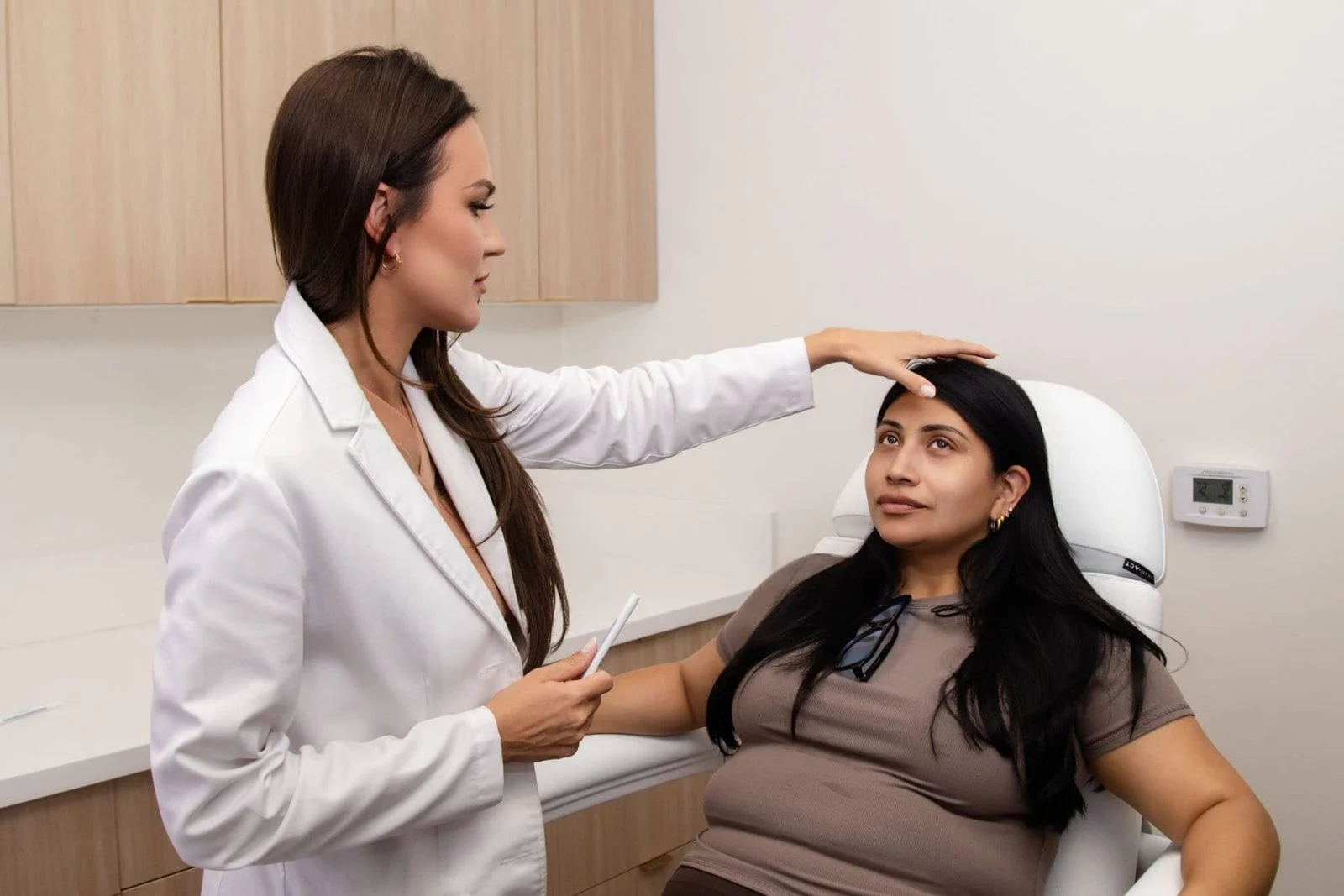
Encino has never been a place where people pursue cosmetic treatments casually. Patients here tend to be informed, busy, and very aware of the difference between a quick trend and a technology that actually holds up over time. That helps explain why interest has grown around Fotona laser treatments. People are not just looking for a treatment that sounds advanced. They want something versatile, something with a reasonable recovery profile, and something that can be tailored rather than forced into a one-size-fits-all protocol.
That is where Fotona has earned attention. In practices that use it well, the platform can address concerns that often overlap in real life: texture changes, early skin laxity, acne scarring, sun damage, uneven tone, fine lines, and the dullness that shows up when skin has been under years of stress. Patients also like the fact that treatment plans can often be adjusted based on season, downtime tolerance, and long-term goals, rather than being locked into one very aggressive option.
The growing appeal of Fotona Laser Treatments Encino, CA is not really about hype. It is about practicality. People want results that fit into real schedules and still look like themselves.
Why the conversation around lasers has changed
A decade ago, many people heard the word “laser” and thought of one of two extremes. Either it was something too mild to justify the cost, or it was a significant resurfacing treatment with a recovery window that felt hard to manage. That binary is part of what has shifted.
Patients have become more sophisticated. They ask better questions. They want to know not only whether a device can improve a specific issue, but also how it fits into the bigger picture of skin health. They want to know if the treatment is appropriate for their skin tone, whether makeup can be worn the next day, how many sessions are realistic, and whether the result will look Fotona Laser Treatments Encino, CA refreshed or obviously treated.
Fotona fits this newer style of decision-making because it is a platform, not a single one-note treatment. Depending on the settings, handpieces, and protocols used by the provider, it can be adapted from gentler rejuvenation to more intensive correction. That range matters in a community like Encino, where patients often have public-facing jobs, demanding family schedules, or regular social commitments. Very few people want to disappear for weeks if they can avoid it.
What makes Fotona different from many other laser options
One reason patients ask specifically about Fotona is that the system is known for combining different laser wavelengths, commonly Er:YAG and Nd:YAG, in ways that let providers treat both surface-level and deeper concerns. The technical details matter less to most patients than the practical effect, but the practical effect is important: a skilled clinician can treat more than one layer of the problem.
For example, someone may come in thinking they only want help with fine lines around the mouth. During consultation, it often becomes clear that the issue is not just etched lines. There may also be a bit of volume loss, some textural roughness, mild laxity, and sun-related changes that make the area look older than it is. A more limited treatment might address only one piece of that puzzle. Fotona gives the provider more room to build a plan around the whole presentation.
That flexibility is one of its strongest selling points. In experienced hands, the treatment can be adjusted in intensity and approach. One patient may need a lighter refresh before an event season. Another may prefer a series of treatments aimed at collagen stimulation with little interruption to work. A third may be ready for a stronger resurfacing protocol because acne scars have become a longstanding frustration. The same platform can support very different strategies.
Encino patients tend to value natural-looking improvement
This point comes up constantly in real consultations. People often arrive saying some version of the same thing: “I want to look better, but I do not want anyone to know I had something done.”
That concern is not vanity. It is judgment. Most people are comfortable investing in themselves. They just do not want a result that reads as artificial. With laser work, that means choosing treatments that improve the skin rather than change the face into someone else’s version of youth.
Fotona has become appealing in part because the best results are usually cumulative and skin-centered. Texture can become smoother. Tone can look more even. Fine creases may soften. Skin can reflect light better. Mild laxity can improve enough that the patient looks rested and healthier without looking altered. That kind of result tends to age better than interventions that overcorrect.
In Encino, that matters. Patients here often have access to many treatment options, from injectables to peels to radiofrequency to surgery. They are not choosing lasers because nothing else exists. They are choosing them because they want a middle path, one that sits between skincare alone and more invasive procedures.
Downtime is still one of the biggest deciding factors
If you want to understand why more people are considering Fotona Laser Treatments Encino, CA, start with downtime. It remains one of the biggest practical barriers in aesthetic medicine.
A person can love the idea of resurfacing in theory and still reject it once they hear the recovery might interfere with meetings, school pickup, workouts, or upcoming travel. That is especially true for parents, professionals, and caregivers, which describes a large share of adults seeking cosmetic treatment.
Fotona is not a “no downtime for everyone” technology. That would be misleading. Recovery depends on the protocol used, the intensity selected, the area treated, and the patient’s own healing response. Still, one reason the platform has gained traction is that it offers options along a spectrum. Some treatments leave the skin pink for a short period and feeling dry or rough for a few days. Others are more intensive and can require more visible recovery. The important part is that the provider can often match the treatment to the patient’s tolerance.
That flexibility changes the conversation. Instead of deciding between doing nothing and undergoing a single aggressive treatment, patients can choose a series of lower-disruption sessions or a stronger treatment at a strategic time of year. For many people, that makes the treatment feel manageable rather than all-or-nothing.
It works well for the concerns people in Southern California actually have
Living in Southern California affects the skin. Even people who use sunscreen consistently tend to accumulate some degree of sun-related change over the years. Pigment irregularities, rough texture, enlarged pores, fine wrinkling, and a general loss of clarity are common complaints. Add stress, inconsistent sleep, and the normal slowdown of collagen production with age, and the skin often starts to show more than patients feel on the inside.
Fotona is appealing because it can address several of these visible changes without requiring a dramatic leap into surgery. Patients who are not ready for a facelift do not necessarily want to be told to wait until things are “bad enough.” They want to do something constructive now. In many cases, that means investing in skin quality first.
Better skin quality changes more than most people expect. When texture improves and the skin surface reflects light more evenly, the entire face can look more youthful. Makeup sits better. Patients use fewer camouflage products. They often report that they still look like themselves in the mirror, just less tired and less drawn.
That is part of the reason lasers keep gaining ground over purely trend-driven treatments. Healthy-looking skin reads as credible. It does not depend on changing facial proportions or chasing every new idea on social media.
The treatment can be customized for different ages and goals
One of the mistakes people make is assuming lasers are mainly for one age group. In practice, the appeal is broader.
Patients in their late twenties and thirties may want early intervention. They are not trying to erase deep lines. They are often trying to maintain collagen, reduce post-acne textural changes, refine pores, and keep the skin looking clear and bright. These patients usually appreciate lighter treatments that stack over time.
Patients in their forties and fifties tend to focus on cumulative sun damage, uneven pigment, skin crepiness, and soft tissue changes that make the face look heavier or less defined. They often respond well to plans that combine tightening-focused protocols with resurfacing or brightening sessions.
Patients in their sixties and beyond may still be excellent candidates, but they often need a more thoughtful conversation about expectations. Laser treatment can improve skin quality significantly, yet it may not fully replace surgical lifting when laxity is more advanced. Good providers say that clearly. Patients respect honesty, especially when they are spending serious money on elective care.
This ability to meet people at different stages is a major reason Fotona continues to attract interest. It does not force every patient into the same clinical endpoint.
Why provider skill matters more than the device name alone
A lot of people shop by technology name first. That makes sense up to a point. Device quality matters. But with lasers, the result often depends even more on who is using the device and how they think.
An experienced provider does more than follow a preset protocol. They evaluate skin thickness, baseline inflammation, pigment tendency, recent tanning, medication history, prior procedures, and healing patterns. They ask whether the patient is willing to accept social downtime or only private downtime. They check whether the patient wants steady improvement or a more aggressive reset. They also know when not to treat, when to delay, or when another modality would actually be more appropriate.
That judgment is especially important in a place like Encino, where patients often arrive already informed and sometimes already treated elsewhere. It is common to see someone who has had peels, microneedling, injectables, or another laser and now wants a more strategic plan. In those cases, the consultation matters as much as the treatment itself.
The best outcomes usually come from pairing the right patient with the right settings at the right time, not from assuming every skin issue needs maximum intensity. That is a subtle point, but it separates polished results from disappointing ones.
People appreciate that it can complement, not compete with, other treatments
Patients are increasingly less interested in the old debate about which single treatment is “best.” They understand that skin aging is multifactorial. Texture, volume, muscle movement, laxity, and pigmentation are different issues. One tool rarely fixes all of them.
Fotona often fits well into combination care. A patient may use neuromodulators for expression lines, filler sparingly where volume loss is significant, prescription skincare for pigment control, and laser treatments for tone, texture, and collagen support. That kind of integrated approach tends to produce balanced, believable results.
The key is sequencing. Laser treatment may need to be timed around sun exposure, active breakouts, major events, or other procedures. An experienced office will think that through instead of stacking treatments because a calendar happened to have openings. Patients notice the difference between a practice that sells sessions and one that builds a plan.
That planning mindset is another reason demand grows through word of mouth. Good results do not usually come from one appointment in isolation. They come from measured care over time.
What patients usually ask before booking
The questions are remarkably consistent, and they are sensible. Most people want to know how much discomfort to expect, how many sessions they might need, when they will see change, and whether the result is worth the investment relative to other options.
Those answers vary, but a thoughtful consultation usually covers a few key issues:
- Whether the main concern is texture, pigment, mild laxity, acne scarring, or a mix of concerns.
- How much downtime the patient can realistically tolerate.
- Whether the patient has upcoming travel, sun exposure, or events that affect timing.
- How many sessions may be needed for meaningful improvement rather than just a temporary glow.
- What results are likely, and just as important, what results are not realistic.
That last point is often the most valuable. A patient with moderate skin laxity may get noticeable improvement with laser tightening, but not the same result a lower face and neck lift can provide. On the other hand, someone with early crepey texture and fine wrinkling may get more visible value from laser rejuvenation than from adding volume where volume is not actually the problem. Good aesthetic medicine depends on that kind of differentiation.
The rise of prevention has changed the market
Another reason more people are seeking Fotona Laser Treatments Encino, CA is that aesthetic care is no longer seen only as correction after major aging has already occurred. Prevention and maintenance have become far more mainstream.
That does not mean people are trying to freeze themselves in time. It means they are more willing to support collagen, improve sun damage gradually, and keep the skin in better condition before changes become deeply entrenched. In practical terms, it is often easier to maintain healthy skin than to reverse years of accumulated damage all at once.
This shift has made lasers more attractive because they fit naturally into maintenance. A patient may come in seasonally or at intervals that make sense for their goals, adjusting intensity depending on what the skin needs that year. Some years the focus is pigment. Other years it is laxity or texture. The treatment plan evolves, which is exactly how aging works in real life.
Patients tend to prefer that approach to the idea of waiting, becoming dissatisfied, and then feeling pressured into a larger intervention they never really wanted.
Recovery is not just physical, it is social
One detail that gets overlooked in marketing is the difference between being medically able to return to normal life and feeling socially comfortable doing so. Those are not always the same thing.
A person may technically be able to work the next day, but if the skin is visibly pink, flaky, or rough, that may still feel inconvenient depending on their job. Someone who works from home may find that trivial. Someone in sales, media, law, or client-facing leadership may feel very differently. Patients in Encino often make decisions based on that social reality, not only on the clinical recovery window.
This is another area where Fotona earns interest. The range of available treatment intensities gives more control over the visible recovery period. Patients can choose lower-disruption treatments before busier seasons and consider more intensive sessions when they have privacy. It sounds simple, but it changes adherence. Treatments people can actually fit into their lives are the ones they tend to follow through with.
Not every patient is the right candidate, and that honesty matters
One reason established practices retain trust is that they know when to say no. Not everyone should be treated immediately. Recent tanning, certain medications, active skin infections, poorly controlled inflammation, and unrealistic expectations can all be reasons to pause or redirect care.
There is also the matter of skin type and treatment planning. Laser medicine requires caution and expertise with deeper skin tones and with patients prone to post-inflammatory pigment changes. That does not automatically rule out treatment, but it does raise the bar for judgment, settings, and aftercare. Any serious consultation should acknowledge that.
Patients usually respect candid guidance more than easy promises. In fact, many of the strongest long-term patient relationships are built when a provider says, “This is what will help, this is what will not, and this is why.”
That level of candor helps explain why certain technologies develop strong local reputations. It is rarely just the device. It is the combination of good technology, conservative treatment planning, and repeatable outcomes.
Cost enters the conversation, but value is the real question
Aesthetic patients are price-aware, but the more thoughtful ones are really asking about value. A treatment is not inexpensive just because the quote is high. It is expensive when the result does not justify the disruption, the risk, or the repeat spending.
Fotona often appeals to patients who are trying to avoid that cycle. They do not want a temporary feel-good treatment every few weeks with little cumulative effect. They want a plan that moves the needle over time. If the provider can explain what improvement is realistic after one session, after a series, and after maintenance, patients can make a much more rational decision.
In many cases, that transparency is what tips the scale. People are willing to invest when they understand the logic. They become wary when everything is presented as miraculous or effortless.
Why this trend is likely to continue in Encino
The broader movement toward customized, lower-disruption aesthetic care is not going away. Patients want credible technology, realistic treatment plans, and outcomes that improve the skin without advertising the intervention. Fotona aligns well with those preferences.
It offers range. It supports both maintenance and correction. It can be adapted for patients who want a subtle refresh as well as those who are ready for more visible improvement. Most of all, it reflects a more mature view of cosmetic medicine, one that values skin quality, planning, and judgment over novelty.
That is why interest keeps growing. Not because people in Encino are chasing every new device, but because they are becoming more selective. And when patients become more selective, treatments that combine versatility with thoughtful execution tend to rise to the top.
OMNIA Wellness Center
Address: 16430 Ventura Blvd Ste 207, Encino, CA 91436
Phone number: +18183868511
FAQ About Fotona Laser Treatments Encino, CA
What is a Fotona laser good for?
A Fotona Laser system is a versatile, dual-wavelength medical laser used primarily for non-surgical skin tightening, anti-aging rejuvenation, and dermatological treatments.
How much does the Fotona laser cost?
The cost of a Fotona laser depends heavily on whether you are looking to purchase a laser machine for a medical practice or are a patient seeking a laser treatment at a medspa.
Is a Fotona laser worth it?
A Fotona laser treatment is generally worth it if you want non-surgical skin tightening, improved texture, and collagen stimulation with very little downtime.